
Many homeowners feel frustrated by how quickly dust returns after cleaning. Shelves look dusty again within days, floors lose their clean feeling almost immediately, and sunlight suddenly reveals particles floating through the air all over the house. Most people assume dust comes mainly from outside dirt, but indoor dust is actually much more complicated than that.
Dust forms from fabric fibers, skin cells, pet dander, pollen, outdoor debris, cooking residue, and tiny particles constantly circulating through the home. The average household creates new dust every single day even when nobody notices it happening. The reason some homes feel dustier than others usually has more to do with airflow, fabrics, and cleaning habits than homeowners realize.
Airflow Quietly Controls Where Dust Collects
Dust rarely settles evenly throughout a home. Air vents, ceiling fans, open windows, and foot traffic constantly move particles from one room to another. Most homeowners focus on wiping visible surfaces while airflow continues redistributing dust behind the scenes. Most people do not realize ceiling fans often become one of the largest dust spreaders in the house.
Dust collects heavily on fan blades, especially during warmer months when fans run constantly. Every time the fan spins, those particles circulate back into the room again. One thing experienced cleaners notice often is that homes with poor airflow usually feel dustier even when surfaces are cleaned regularly. Replacing HVAC filters consistently and allowing better air circulation through rooms usually helps more than aggressive dusting alone.
Fabrics Create More Dust Than Hard Surfaces
Many homeowners focus heavily on counters and floors while overlooking fabric surfaces completely. Rugs, blankets, curtains, upholstery, bedding, and decorative pillows constantly release fibers and trap airborne particles. Homes with pets or children usually generate even more fabric-related buildup because activity stirs particles into the air throughout the day.
Most people do not realize dust often settles deep into upholstery long before it becomes visible on furniture surfaces. That is one reason homes sometimes feel dusty even shortly after vacuuming hard floors. Vacuuming upholstery slowly and washing commonly used fabrics regularly helps reduce buildup significantly.
Dust Builds Faster in High-Traffic Areas
Entryways, hallways, and living rooms usually collect the most dust because movement constantly stirs particles from floors and fabrics back into the air. Most homeowners vacuum too quickly in these spaces. Fast passes often skim the carpet surface without removing fine debris trapped deeper inside the fibers.
Most experienced cleaners vacuum in slower overlapping rows because suction needs time to pull particles properly from carpets and rugs. Another overlooked issue is clutter. Decorative items, stacks of papers, and crowded shelves create more surfaces where dust can settle and become difficult to fully remove. When dust buildup starts affecting comfort or indoor air quality, a detailed deep cleaning often helps remove the hidden buildup regular routines miss.
Overcleaning Can Sometimes Make Dust Worse
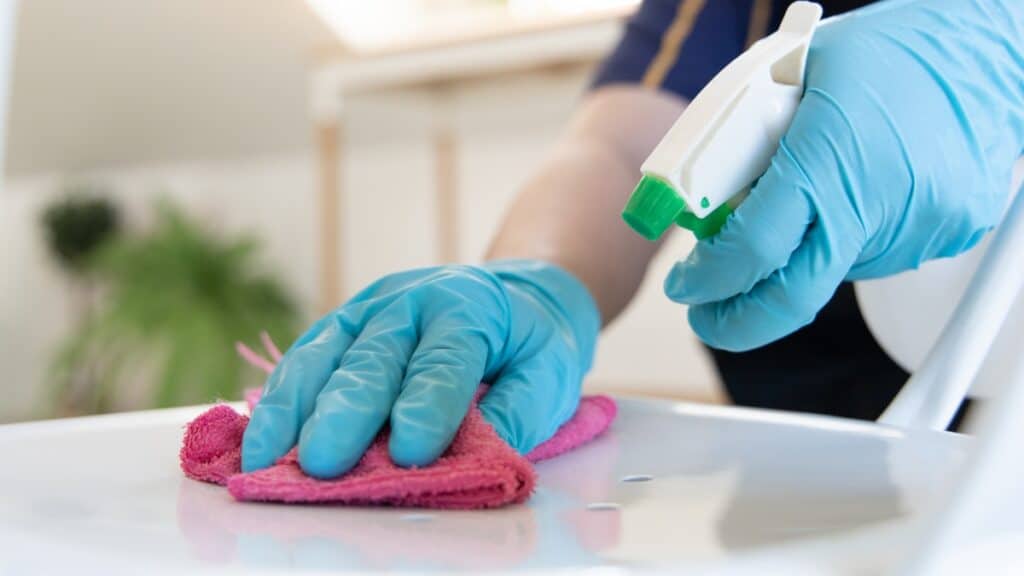
One surprising mistake many homeowners make is using feather dusters or dry clothes incorrectly. Instead of removing particles, some tools simply push dust back into the air where it settles again later. Most experienced cleaners prefer microfiber cloths because they trap particles instead of spreading them around.
Most people also use too much cleaning product on surfaces. Sticky residue from sprays can actually attract more dust afterward, especially on electronics, shelves, and wood furniture. Cleaning lightly but consistently usually works better than aggressive product-heavy cleaning sessions.
Small Habits Usually Make the Biggest Difference
Dust control works best when buildup gets interrupted early. Shoes removed near entryways reduce outdoor particles significantly. Vacuuming high-traffic spaces regularly prevents debris from circulating through the house. Washing bedding weekly also removes large amounts of fabric fibers and skin particles before they spread farther indoors.
Most people do not realize bedrooms often generate more dust than living rooms because bedding and fabrics release particles continuously overnight. Families with especially active households often find that recurring cleaning support helps maintain a cleaner baseline before buildup becomes difficult to manage again. Consistency usually matters far more than cleaning aggressively once dust has already spread everywhere.
FAQ
Why does my house get dusty so quickly?
Dust forms constantly from fabric fibers, skin cells, outdoor debris, pet dander, and airflow moving particles throughout the home.
What areas collect the most dust?
Entryways, living rooms, bedrooms, and spaces with heavy fabric use usually collect the most buildup because activity keeps particles circulating.
Do ceiling fans make dust worse?
Yes. Dust builds on fan blades quickly, and every time the fan runs, particles spread back into the room again.
Why do carpets still feel dusty after vacuuming?
Fast vacuuming often leaves fine debris trapped deep inside carpet fibers. Slower overlapping passes remove much more buildup.
Can cleaning products attract more dust?
Yes. Excess product can leave sticky residue behind that causes dust to cling more easily to surfaces later.
When should homeowners consider deep cleaning for dust buildup?
Deep cleaning becomes helpful when hidden dust starts affecting comfort, allergies, or indoor air quality despite regular maintenance routines.
Get Ahead of Dust Buildup
Dust will always come back, but knowing where it comes from makes it much easier to keep under control. When buildup has spread to fan blades, blinds, and baseboards, Queen Bee Cleaning Services can provide a top-to-bottom deep clean that resets your home before routine upkeep takes over. Locally owned and serving the community since 2016, our house cleaning team in Lincoln, NE, follows detailed checklists in every room. Reach out to our team for a free, personalized quote.
We invite you to read these related articles:
- Cleaning Tasks That Are Easy to Forget During a Busy Summer
- 10 Areas of Your Home to Prioritize When Cleaning
- Home Maintenance Myths Most Homeowners Still Fall For
See why Lincoln homeowners rate us 4.9 stars, and read our reviews on Google.
